


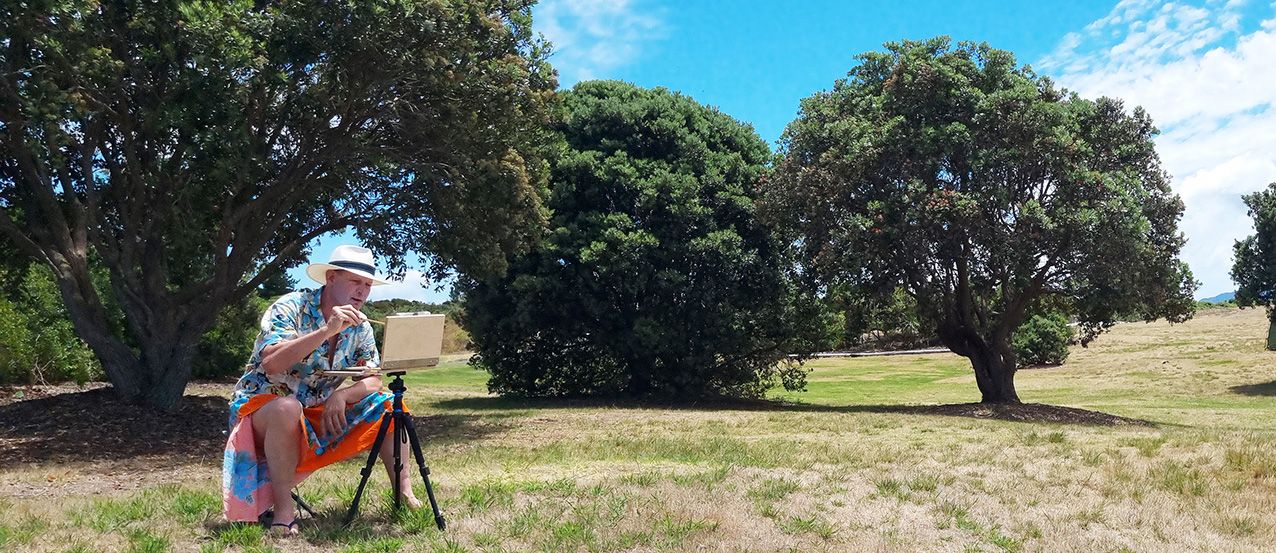
Exploring your environment through drawing and painting en plein air is exciting, scary, revelatory – it quite literally opens your eyes to your surroundings. As you weigh up the complexities of your setting, you make quick decisions of what to include and what to exclude. It’s an experience akin to the immediacy of life-drawing, and summer is the perfect time to indulge in it.
Today, more people are working outdoors than ever before. From artists on holiday to the recent urban sketching movement, we are rediscovering how drawing and painting from life offers a fresh way to experience our surroundings.
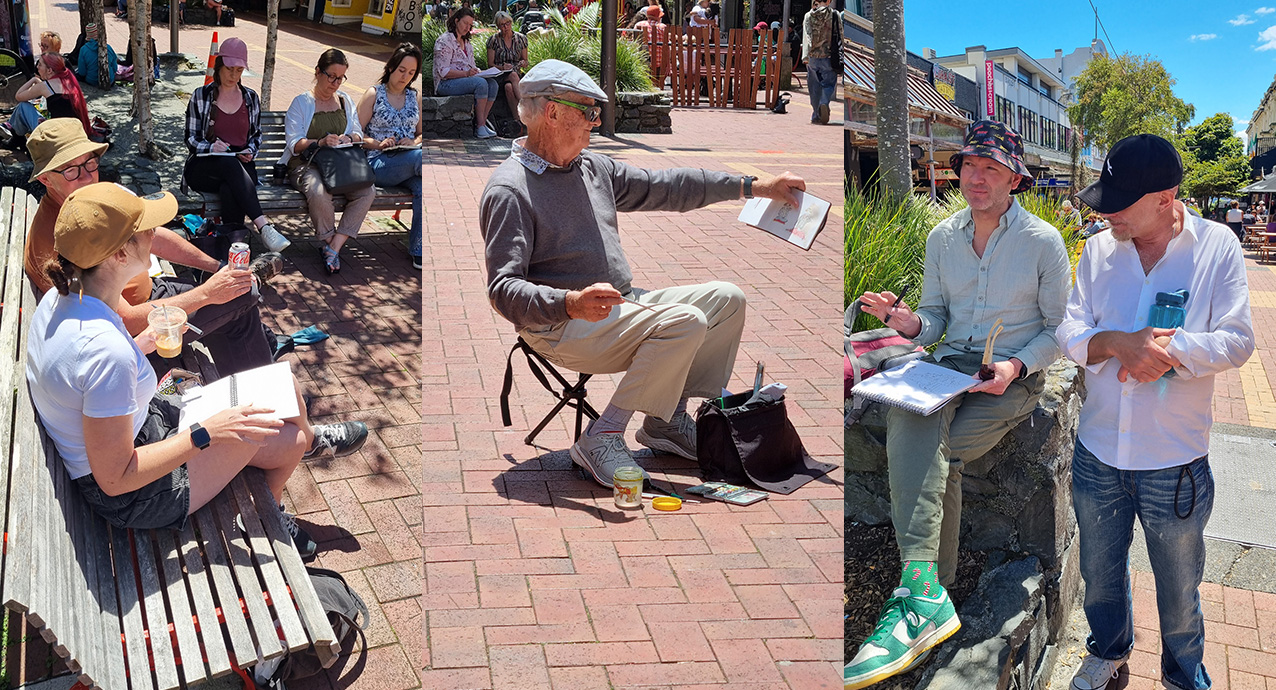
Artists out in the sun with Felix Scheinberger, looking for a story and the feel of Life in their surroundings.
In his recent urban sketching event in Wellington, German artist Felix Scheinberger addressed the concern of carrying out the private act of drawing in a public space; the worry of a person looking over your shoulder and commenting. They are just being curious, and a short conversation can open their eyes, too. People are essential for adding life to your urban sketches – quickly block in their shape before adding the detail of faces, hands, and clothing. Besides, continued Felix, if you need to be discreet, use a smaller journal.
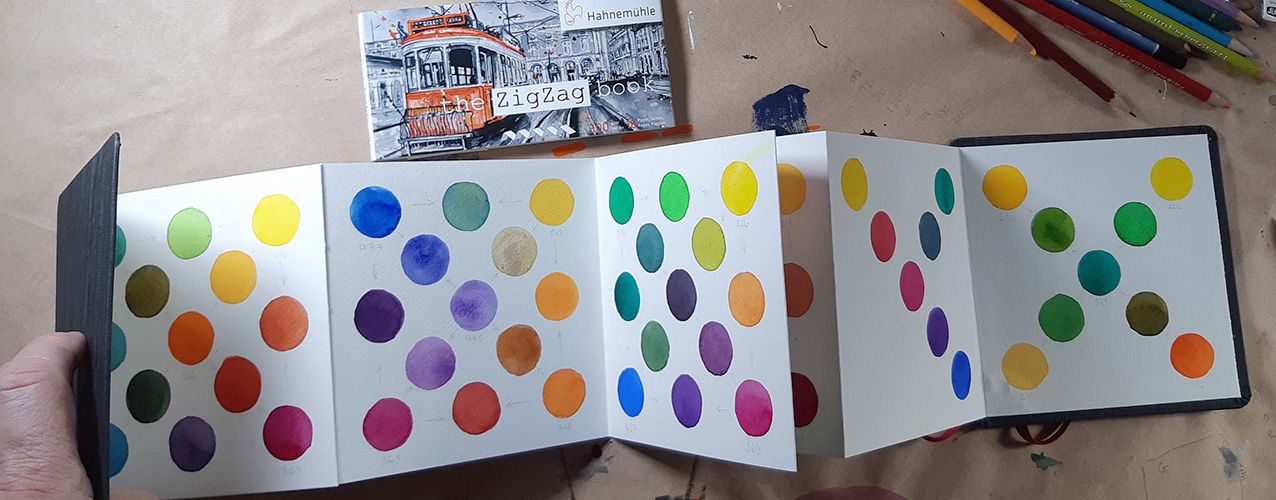
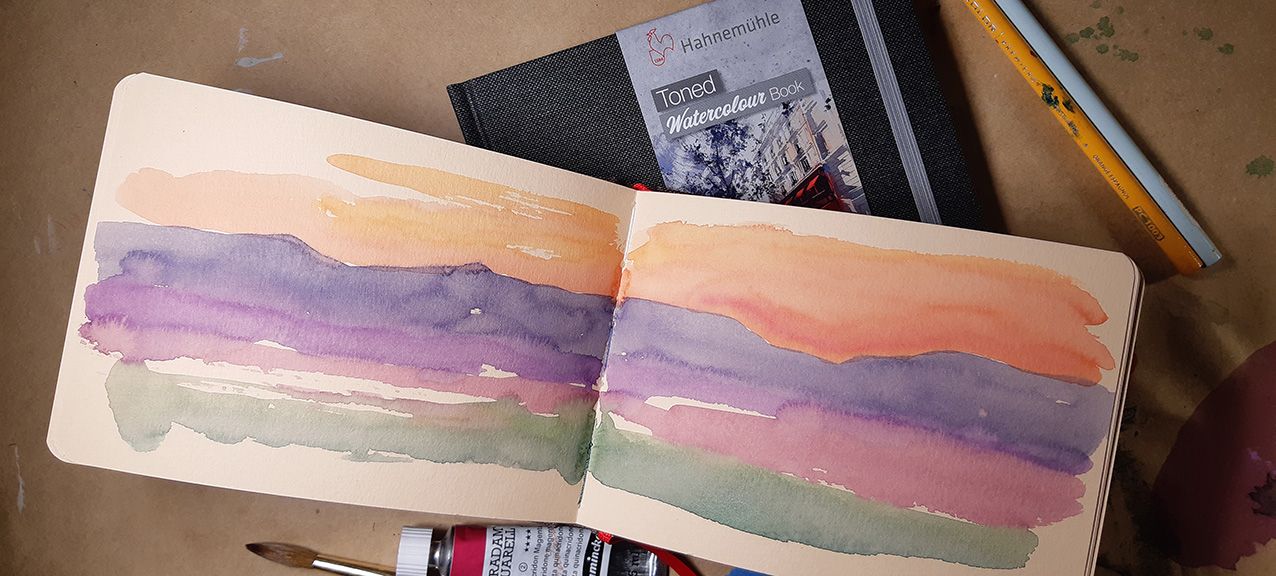
Hahnemühle journals suit every size and style, from watercolour to markers, smooth white to toned papers.
Hahnemühle make sketchbooks for every artistic approach: lightweight 120gsm pages for pencil through to 250gsm 100% cotton for watercolour; smooth, white Nostalgie for markers and watercolour, with Cappuccino and Grey Tone to provide an underlying mood for your work.
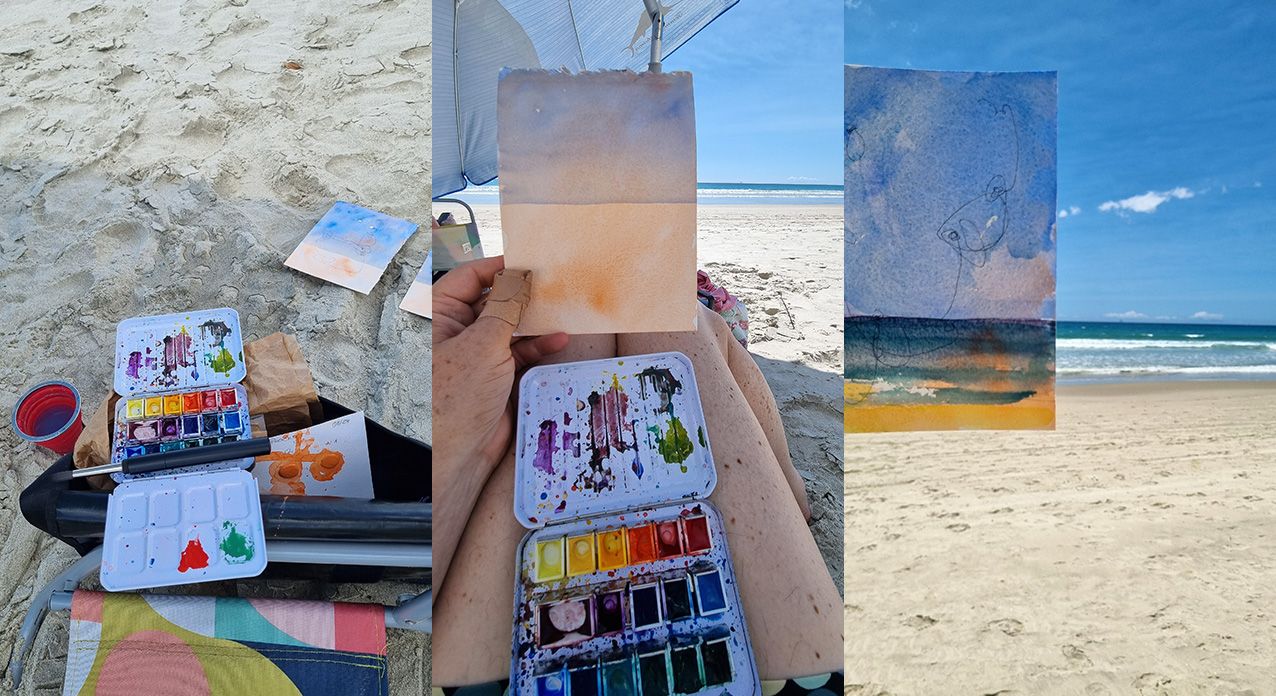
Take them anywhere – a set of Schmincke watercolour pans is so portable and delivers stunning colours.
A set of watercolours provides the most portable way of creating a painting wherever you sit yourself down. Blocks of colour, called “pans”, are more convenient than tubes when traveling. Due to their unique formulation, Schmincke Horadam pans effortlessly release brilliant colour with the wipe of your brush.
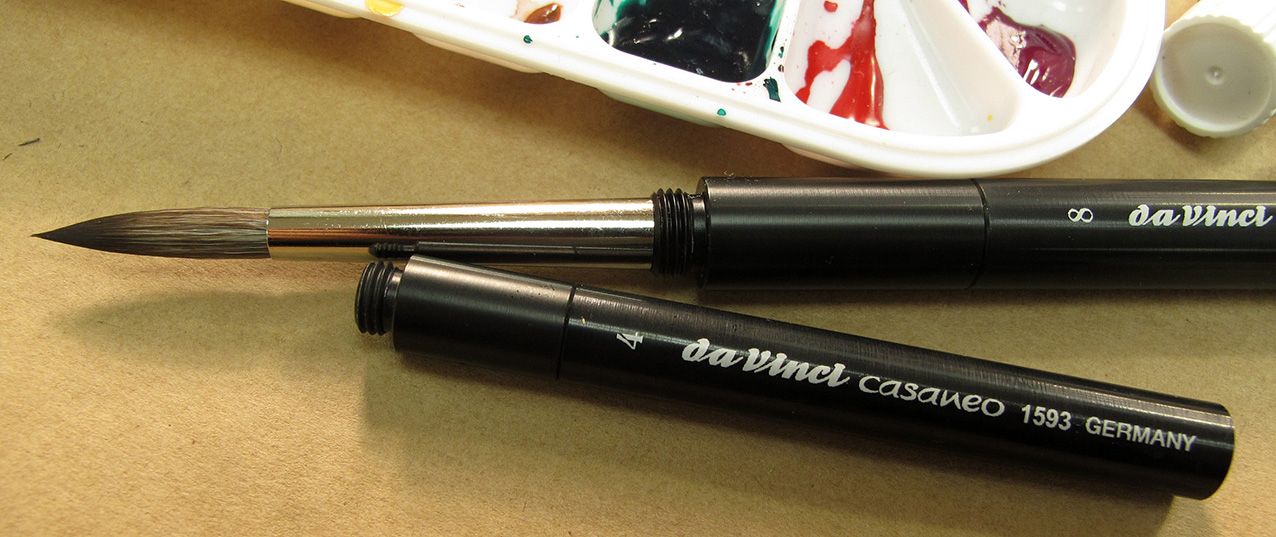
The popular Casaneo “synthetic squirrel” brush, here in Travel option, holds lots of fluid behind a sharp tip.
Protecting the brush head while in your box or pocket, the da Vinci Travel Brush unscrews to extend the handle, so your important tool for not just putting colour on but also lifting it off, can travel with you. A collapsable Hahnemühle water-cup with some paper towels completes your outdoor watercolour set.
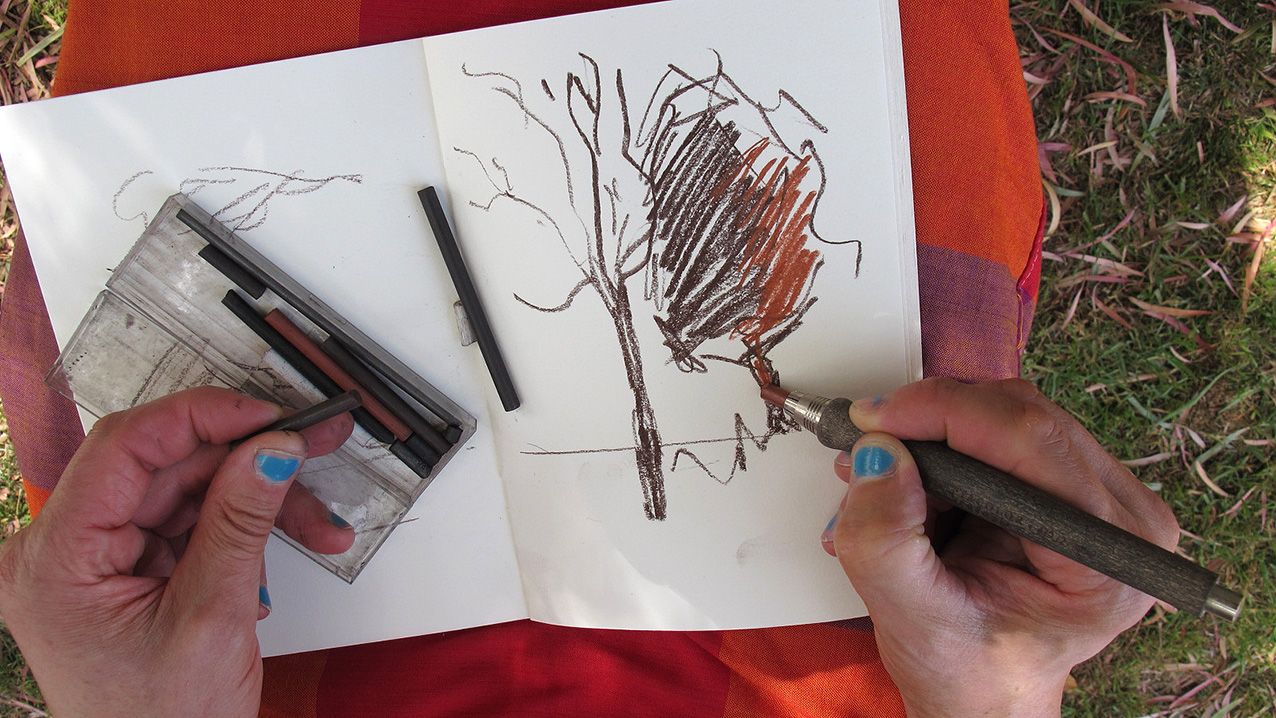
The Cretacolor 5.6mm Leadholder offers a wide range of dry media without the need for a sharpener.
Of course, the simplest of materials often work well too, and we have plenty. The Cretacolor 5,6mm Lead Holder takes a range of charcoal, graphite, Nero, and drawing chalk leads that can be quickly interchanged, with no need for sharpening. Tombow make the most dense graphite pencils in the world, the exceptionally smooth Mono pencil.
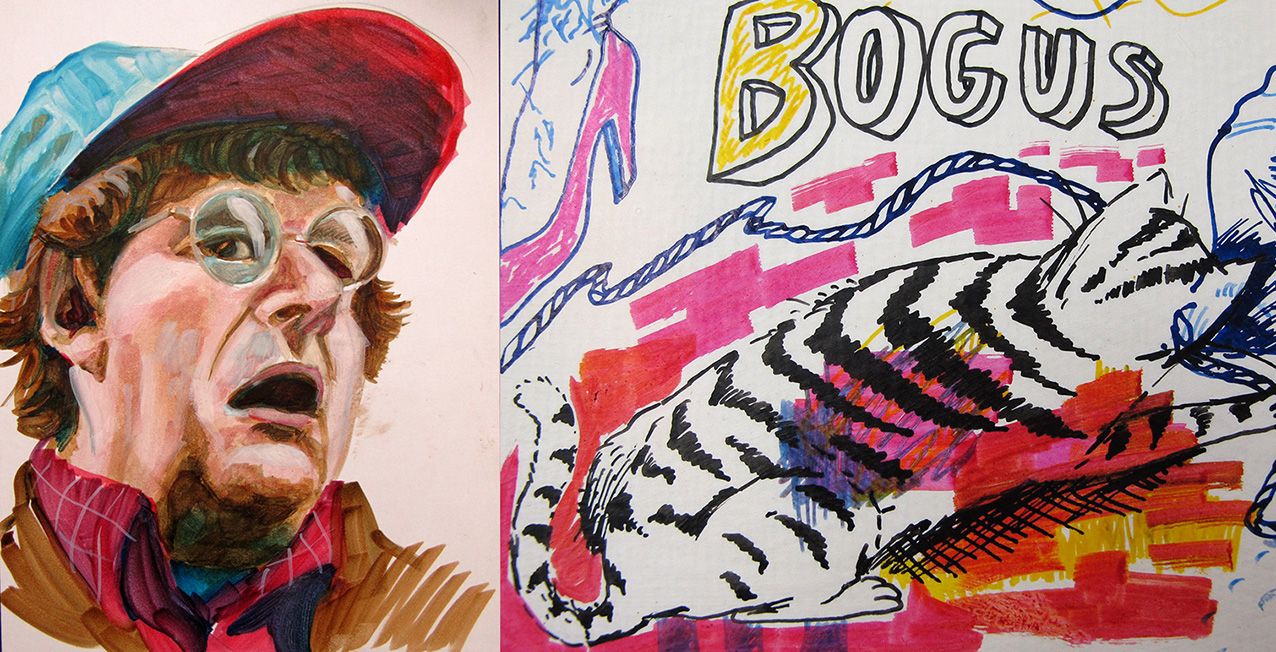
Markers can be used expressively for capturing mood, or carefully worked into highly finished drawings.
More varied drawing materials, such as water-soluble pencils or watercolour markers are an excellent portable and inexpensive way to render the landscape in colour. Staedtler Pigment Art Pens are a quick and effect means to colour up your sketching. Lightfast and water-resistant, these brush-tip pens in 36 colours can be blended and combined with other materials.
It was a revolution in artist materials that made painting en plein air possible in the latter half of the 19th Century. Pre-made colours in collapsible metal tubes gave a new generation of artists the ability to capture the impression of light in the landscape. Today’s materials make it even easier to create lasting memories of a time and place, especially if you wish to give careful study to light and landscape in the footsteps of the Impressionists.
“When you go out to paint, try to forget what objects you have before you, a tree, a house, a field or whatever”, said the great Impressionist Claude Monet. “Merely think here is a little square of blue, here an oblong of pink, here a streak of yellow, and paint it just as it looks to you, the exact colour and shape, until it gives your own naïve impression of the scene before you.”
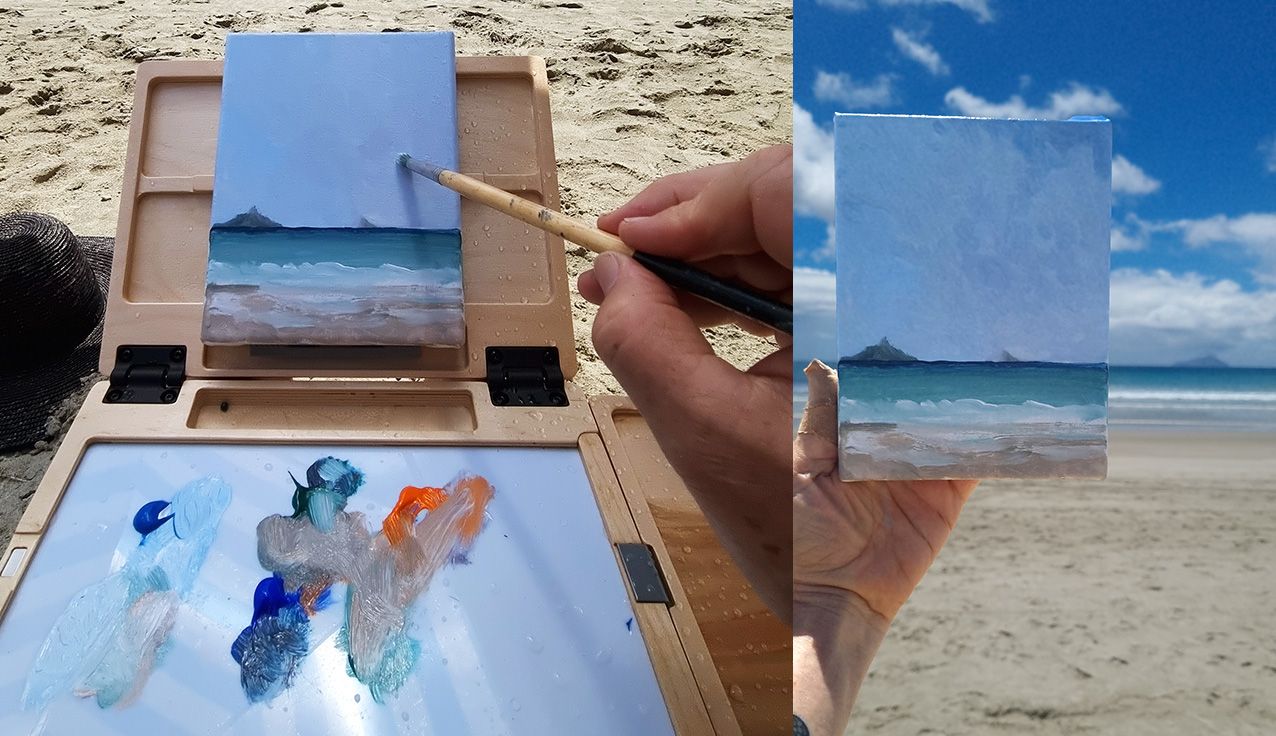
The U.GO Pochade is the ultimate for the serious traveling artist, only around the size and weight of a laptop.
The new U.Go Pochade Box provides a sturdy yet lightweight support for canvas and panel painting on the move. The tensioned hinges allow exact angling, while adjustable teeth hold your canvas firmly. The lacquered birchwood is water and solvent resistant, and the magnetic clasps hold fast yet are easy to adjust. The removable palette and additional side panels make this the ideal portable work-station.
While oilcolour has been used for outdoor painting since Monet, Golden developed their OPEN Acrylic with en plein air painting in mind. Standard acrylic dries too fast for the outdoors, especially with some wind across it. OPEN Acrylic stays wet for hours on the palette, and even on a sunny day at the beach it remains workable for up to an hour on your canvas. Transporting it home is then much simpler than a delicate, wet oilpainting.
Creating a drawing or painting directly from life results in a more humanly observed work, rather than a reproduction of a photograph. Just as importantly, you can be more present, mindful and understanding of your surroundings than ever. Get out into the world and colour it beautiful!
Helpful colour suggestions
Atmospheric perspective is the use of colour, texture, and tone to achieve an illusion of space in a painting. Cool colours tend to recede, warm colours to come forward. Try mixing background greens with Lemon Yellow and foreground ones with Indian or Cadmium Yellow. Broad marks with less definition sit back in the picture plane, while detail comes forward.
Boucher, the 18th Century Rococo painter, declared nature “too green and badly lit”, but he could’ve just been frustrated with the very few colours he had to play with! The main building blocks for today’s greens are Phthalo Green blue shade and yellow shade (sometimes called Helio), in combination with yellows. Useful landscape greens can also be made from blues, such as Ultramarine and Phthalo, mixed with Lemon Yellow (Yellow Light Hansa) for cool colours, and Indian or Cadmium Yellow for warm. When mixing, add just a small amount of the darker colour to the lighter colour at first, as the change in hue happens very quickly.